Vinyl Siding in New Orleans, LA: How to Prevent Warping and Mold in Humid Climates
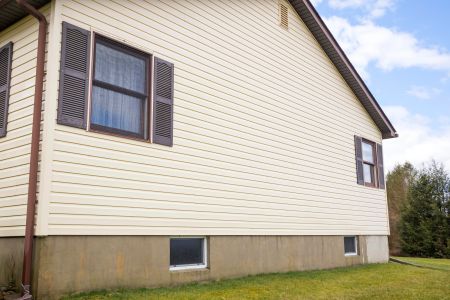
Sticky summers, sudden thunderstorms, and salty Gulf air can be tough on vinyl siding in New Orleans, LA. If you want straighter lines and a cleaner look that lasts, focus on moisture control and heat management from the start. This guide explains how to prevent warping and mold around homes in Lakeview, Gentilly, Mid-City, Uptown, and beyond, and when to call Southern Exterior Services LLC for expert help with vinyl siding.
Why Humidity in New Orleans Punishes Vinyl Siding
Our climate often sits in the high-humidity range, and afternoon showers can soak siding, trim, and the spaces you do not see behind the panels. When warm, wet air gets trapped, mold and mildew take hold. If the wall system cannot breathe, moisture lingers and wood components behind the siding can swell, pushing on the panels until they wave.
Heat adds another layer. Darker colors and strong sun along the river can drive surface temperatures high enough to make vinyl expand. Without room to move, boards bow or “oil can.” Low-e window reflections can also heat small spots to extreme temperatures, which exaggerates warping on south and west walls.
Ventilation Basics That Keep Walls Dry
Effective ventilation lets damp air escape before it condenses. Start overhead. Attics in New Orleans homes, especially older shotguns and raised cottages, need balanced intake at the soffits and exhaust at the ridge or roof vents. That steady air flow lowers heat in summer and keeps humidity from drifting down into wall cavities.
Next, look at the wall assembly itself. A modern housewrap and a thin drainage gap behind the siding help water move out quickly after heavy rain. Vented soffits encourage air movement along the eaves so moisture does not sit behind panels near the roofline. **Keep bathroom and dryer vents terminating outdoors**, not into the attic, so steam does not load the system with extra moisture.
If you suspect trapped moisture or musty odors near exterior walls, schedule an inspection. Our team at Southern Exterior Services LLC can check attic airflow, soffit openings, and siding terminations, then recommend targeted fixes through our vinyl siding service.
Cleaning Schedule That Works in the Gulf South
New Orleans’ shade trees and warm air encourage algae, mildew, and mold. Cleaning on a steady schedule prevents growth from rooting into the texture of the panels. The goal is gentle, regular care rather than aggressive washing that can force water behind the siding.
- Every 2–3 months: Rinse walls with a garden hose from top to bottom, especially the north and shaded sides in areas like Bywater and Algiers Point.
- Twice a year: Hand-wash with a soft brush and a vinyl-safe cleaner. Rinse thoroughly so residue does not feed algae.
- After major storms: Spot-check for wind-driven debris, leaves in J-channels, and clogged weep holes.
Use a wide spray pattern and moderate pressure. **Never power-wash vinyl siding at close range.** High pressure can dent panels, strip oxidation unevenly, and push water into the wall where it cannot dry quickly.
If you are mapping out seasonal maintenance, bookmark the home base for vinyl siding in New Orleans so you can check care tips as the weather shifts.
Common Installation Mistakes We See in Louisiana Homes
Even quality panels can warp or grow mold if the install does not match our climate. Here are the issues we fix most often around the metro area:
Leave a small gap at ends to allow for expansion. Vinyl naturally moves with heat. Panels need room at ends and penetrations so they do not buckle when the sun hits. Nailing too tight is another culprit. Nails must sit in the center of the slot with a tiny space under the head so the panel can slide.
Flashing at joints and transitions matters, too. Above doors, windows, and where walls meet porches, step flashing and head flashing direct water out and away. At roof-to-wall connections, bad or missing flashing sends water behind the siding during storms. If we find chronic leaks near dormers or sidewalls, we coordinate repairs and, when needed, point you to proper roof detailing on our roof replacement page for the broader fix.
Starter strips must be perfectly level, otherwise each course stacks out of line. J-channels need clear weep paths so water exits after rain. **Do not plug or caulk factory weep holes.** Blocking them traps moisture and invites mold lines across the wall.
Reflective heat is another surprise. Shiny low-e windows from a neighboring house can focus light on a small area. In those cases, we may recommend nearby shading, a screen, or swapping to a lighter siding color on that wall to reduce heat load.
Smart Upgrades for Long-Lasting Siding Near the Coast
Small choices during selection and setup can extend the life of your siding in neighborhoods from Gentilly Woods to Carrollton. Here is what pays off:
Choose panels with higher impact resistance and UV stability, especially on sunbaked exposures. A quality housewrap with a rainscreen-style gap helps water move down and out after those fast summer downpours. Vented soffits and a balanced attic system lower attic heat that can otherwise radiate into the walls.
Color selection also matters. Dark colors run hotter in July and August. **If your home gets full afternoon sun, consider mid-tone or lighter shades** on the west and south sides to cut thermal movement. Add continuous gutters with correctly placed downspouts so sheets of water do not splash dirt and spores back onto the siding near the slab.
How Southern Exterior Services LLC Handles Moisture Concerns
We tailor our process to Louisiana’s humidity. First, we review the home’s sun and shade patterns, nearby trees, and wind exposure. Then we check attic intake and exhaust, soffit openings, and wall details like flashing and J-channels. If we find common installation mistakes, we correct them so the siding can breathe and shed water the way it should.
Next comes a simple, written cleaning schedule you can follow season by season. We match cleaners to your siding’s finish, outline safe rinsing techniques, and mark algae-prone sides so they get quick attention after storms. If you prefer, ask about maintenance packages so our team can handle seasonal cleanings on a set schedule while you focus on the rest of your home.
When you call 985-518-4059, we set a convenient visit, walk the exterior with you, and document any moisture risks with photos. Our goal is straightforward: straighter lines, tighter trim, and a healthier wall system that stands up to New Orleans heat and humidity.
Local Signs Your Siding Needs Attention Now
- Ripples, waves, or “oil canning” that appear on hot afternoons and flatten at night
- Musty odor near exterior walls after rain or when the A/C cycles
- Soft spots around windowsills and door trim or visible gaps at J-channels
- Green or black trails returning quickly after cleanings, especially on the north side
- Peeling caulk at roof-to-wall joints or stained soffits under eaves
If you see these issues in Metairie, Harvey, or right in the heart of New Orleans, it is time for a professional look. We can inspect, correct ventilation, refresh sealants, and reset panels where needed so the system can move without warping and dry without feeding mold.
Ready for Drier, Straighter Siding in New Orleans?
Protect your home’s exterior before peak summer humidity arrives. Schedule a moisture-focused assessment with Southern Exterior Services LLC and get a practical plan for ventilation and care. Start here to learn how we install and maintain siding that resists warping and mold: visit our page on vinyl siding, or call 985-518-4059 to book your visit.
Need a New Roof or Siding? Contact Our Roofing Company in Houma & Surrounding Areas Today