Siding Options That Perform Best in New Orleans’ Humid Climate
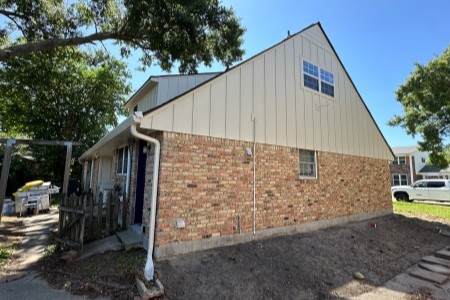
If you’re searching for the best siding for New Orleans homes, you already know our Gulf Coast weather is a test few materials pass. In and around Houma, LA, summer humidity lingers, sudden downpours hit hard, and storm season can push wind and debris against your walls, which is why it pays to choose proven products and pro installation from Southern Exterior Services LLC.
Below, we’ll compare top siding materials for humid, hurricane-prone areas and how they hold up in real Louisiana conditions. If you’re weighing choices or planning an upgrade, explore our siding services to see what fits your home’s style and exposure.
What New Orleans Humidity Does to Siding
Humidity isn’t just uncomfortable. It creeps into gaps, saturates unsealed edges, and feeds mildew on shaded walls. Afternoon sun then bakes that moisture, causing expansion and contraction that can loosen panels and open seams. Add storm-driven rain, and minor weaknesses become leaks inside the wall system.
- Moisture exposure: invites rot, mold, and paint failure when edges aren’t sealed.
- Thermal movement: daily heat swings flex panels and can warp thin materials.
- Wind and impact: flying debris and pressure changes test fasteners and flashing.
- Salt and UV near the lake or coast: accelerates fading and corrosion without the right finish.
To thrive here, siding must block water, shed heat, and stay anchored when summer storms arrive. The right choice also pairs with proper flashing, housewrap, and ventilation so trapped moisture has a path out.
Fiber Cement: Tough Against Moisture, Heat, and Fire
Fiber cement is a heavyweight contender in Southeast Louisiana. It resists rot, termites, and swelling, and it takes paint or factory color finishes that hold up under strong UV. With correct clearances from grade and hard surfaces, it handles splashback from our frequent showers and stands up well during wind events.
Appearance is another win. You can match classic clapboard in Uptown-style architecture or smooth, modern profiles for newer builds in Bayou Cane and Mulberry. Installation quality matters because boards are heavy and cuts must be sealed, but when installed by trained crews, fiber cement delivers steady performance year after year.
Insulated Vinyl: Lightweight and Efficient for High Humidity
Modern insulated vinyl siding adds a foam backer that stiffens panels and helps reduce heat transfer. That’s useful when August afternoons in Greater New Orleans push wall temps sky high. Quality vinyl won’t absorb water, and the right profile can disguise minor wall waviness.
Look for impact-resistant lines and reinforced nailing hems. Ask about ventilation details around soffits and bath or kitchen vents so moisture doesn’t linger behind panels. Keep grills and high-heat sources away from walls because intense heat can distort vinyl surfaces. With the right specs and installation, insulated vinyl is a practical, budget-friendly option for many high-humidity homes.
Engineered Wood: Real Wood Look With Smart Protection
Engineered wood siding blends wood fibers with resins and waxes, then bakes them into boards designed to resist moisture and termites. It offers a warm, authentic grain that fits historic streetscapes from Mid-City to Old Houma, while factory finishes speed up installation and reduce early maintenance.
Success with engineered wood hinges on sealing cut edges and maintaining proper clearances. Homeowners who love the look of real wood grain but want better moisture control than traditional lumber often land here. When paired with a breathable weather barrier and well-detailed flashing, engineered wood can be a strong performer in our damp climate.
Metal and PVC Cladding: Specialized Solutions for Storm Zones
For homes that take more wind and debris, metal and PVC-based cladding earn a look. Aluminum or steel siding resists flame and pests, while high-quality coatings help fight corrosion. Rigid PVC or cellular PVC panels won’t rot and can mimic the look of painted wood without the upkeep of yearly scraping and repainting.
These systems shine when impact resistance and low water absorption top the priority list. They also expand and contract differently than wood-based products, so expansion joints and fastener choices are critical. In the right setting, metal and PVC deliver long service life with minimal maintenance.
Hurricane and Wind Resistance in Southeast Louisiana
Wind performance is about more than the label on the box. Panel profile, substrate, sheathing condition, and the fastener pattern all matter when tropical systems pass through Terrebonne and Orleans Parishes. Manufacturer wind ratings assume best-practice installation; shortcuts can void performance claims and warranties.
Ask for details about starter strips, corner posts, and how penetrations are flashed. A properly anchored wall system that manages water first will handle wind better because there’s less chance for air to get behind panels and pry them loose during gusts.
Mold and Mildew Resistance: Keeping Walls Dry
Mold thrives when warm, moist air meets a cool surface. That’s why tight seams, back-vented cladding, and well-detailed flashing matter as much as the panel itself. Fiber cement, metal, PVC, and quality vinyl all resist rot; engineered wood resists it too when factory-treated and properly sealed on site.
- Choose materials and finishes labeled for mold-resistant siding in New Orleans conditions.
- Prioritize drainage planes and weep paths so any incidental water can escape.
- Confirm vent terminations so humid indoor air doesn’t discharge into wall cavities.
Great siding plus poor moisture management still invites mildew. A complete wall system approach keeps interiors dry and paint looking fresh longer.
Style and Color Choices That Hide Humidity Wear
New Orleans architecture ranges from colorful doubles to stately shotguns, while Houma neighborhoods add ranch and cottage styles. Lap boards in 6–8 inch exposures create classic lines that shed rain quickly. Vertical board-and-batten can add height to low-slung facades and sheds water well when flashed correctly.
Color matters in our sun. Mid-tone and light colors better mask airborne debris from storms and resist heat buildup. Textured finishes can hide minor splash stains near the skirt, while smooth profiles read modern and crisp. For historic districts, many manufacturers offer profiles that echo traditional reveal patterns without the upkeep of true wood.
Workmanship, Ventilation, and Warranty Matter
Materials set the ceiling for performance, but installation determines how close you get to that ceiling. Details like sill pans, kick-out flashing at roof-to-wall intersections, and rainscreen spacing behind cladding are the difference between a dry wall and a musty one after a summer squall.
Choose a contractor who specifies components, not just panels, and provides manufacturer-backed warranties. If your exterior includes roof-to-wall tie-ins or chimney chases, partnering with a local roofing company that also manages siding helps ensure every transition is flashed and sealed as one system. Many product warranties require correct fasteners, clearances, and finish schedules, so documentation matters.
Which Material is Best for New Orleans Homes?
There’s no one-size-fits-all winner, but patterns emerge:
Fiber cement is a favorite for all-around durability, fire resistance, and authentic curb appeal. Insulated vinyl brings lighter weight and better thermal performance at the panel, plus broad color choices. Engineered wood delivers the warmest wood look with smart moisture protection when edges are sealed and clearances kept. Metal and PVC suit homes needing impact resistance and very low water absorption, especially near open exposures.
Balance your home’s exposure, architectural style, and maintenance preferences. Then match that with a system approach that manages water before it becomes a problem behind the cladding.
How to Make A Confident Choice in Our Climate
Use the real conditions on your street to guide the call. Does wind funnel down the block after a thunderstorm? Are your walls shaded by live oaks most of the day? Is there a lake breeze or an open field across from the front elevation? Those clues help determine the best combination of panel, underlayment, and flashing details.
When you’re ready to compare samples at home and talk through maintenance expectations, the team at Southern Exterior Services LLC is here to help. Start the conversation by looking at profiles, colors, and trim packages that match your architecture and exposure.
Want siding that stands up to humidity, summer heat, and storm season without constant touch-ups? Let Southern Exterior Services LLC help you choose the right system for your walls, then install it with the details that make it last. schedule siding help or call 985-518-4059 today.
Need a New Roof or Siding? Contact Our Roofing Company in Houma & Surrounding Areas Today