Is James Hardie Siding a Good Choice for Louisiana Hurricane Season?
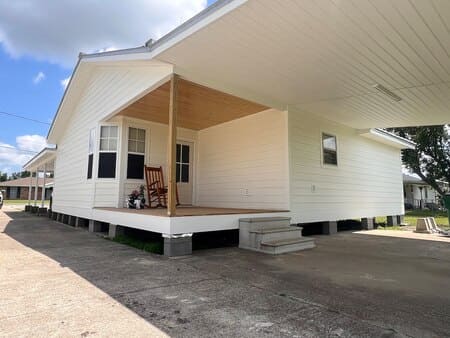
Short answer: yes. James Hardie siding is built for tough weather, which makes it a strong option for homeowners in Houma, LA who want reliable, hurricane-resistant protection. If you are weighing materials before storm season, this guide explains how fiber cement performs in Louisiana’s wind, rain, and heat, and when it is the smarter pick over vinyl or wood.
At Southern Exterior Services LLC, we install James Hardie every week across Terrebonne Parish. If you want deeper details on finishes, profiles, and our process, explore our James Hardie siding page or call 985-518-4059 to talk with a local specialist.
What Makes James Hardie Siding Hurricane-Resistant In Houma
Fiber cement has a different makeup than vinyl or wood. It is dense and rigid, so it holds its shape under wind pressure and resists impact from wind‑blown debris better than lighter materials. It also does not rot, warp, or invite termites, which matters when summer humidity lingers and afternoon storms roll through Bayou Cane, Broadmoor, or downtown Houma.
- Moisture defense: stable boards and trims that do not swell in Gulf humidity
- Impact resistance: solid feel that stands up better when branches and grit fly
- Heat tolerance: finish technology that keeps color looking sharper, longer
- Fire resistance: non‑combustible composition for added peace of mind
Performance still depends on proper fastening, flashing, and sealant. The product is strong, but the system is only as good as the install. **Choose a crew that follows manufacturer best practices and documents their work.**
How Fiber Cement Performs In Louisiana Wind, Rain, And Heat
Storms here bring three stressors at once. Wind pushes on the wall, rain tries to work behind trim, and heat bakes every surface after the clouds clear. James Hardie siding handles this mix well when installed with the right nails, layout, clearances, and moisture management. The boards stay flat so joints line up neatly, and the finish resists fading through long, sunny stretches.
In neighborhoods near Bayou Terrebonne where afternoon pop‑ups turn into heavy downpours, properly detailed kick‑out flashing and trim transitions help shed water away from the wall. **Clean water paths and tight details prevent small leaks from becoming wall-cavity problems.**
Installation Details That Matter In High‑Wind Areas
Hurricane season is not the time to cut corners. The difference between a “looks fine” job and a storm‑ready exterior is often in the fasteners, joint layout, and flashing. Your installer should use the correct nails, hit framing as specified, maintain ground and roof clearances, and seal critical transitions where wind‑driven rain can sneak in.
- Fastening to structure so boards stay anchored during gusts
- Smart joint placement to limit long, weak lines the wind can exploit
- Flashing and sealant at windows, doors, belly bands, and roof returns
- Proper ground and hard‑surface clearances for drainage and longevity
If you want a deeper dive on care after the install, this simple yearly maintenance guide explains how pro tune‑ups keep Hardie systems tight through our climate.
James Hardie Vs. Vinyl In Gulf Coast Storms
Vinyl has a place when budgets and speed are the top drivers, but it is lighter and more flexible. In high winds, that flexibility can show as rattling, bowing, or in some cases panel loss. Fiber cement feels sturdier, looks more like painted wood, and stays quieter when storms pass over the house.
If you are comparing side by side, walk our vinyl siding page to see where vinyl makes sense, then check the textures and profiles on hardie siding installation to see the fit for Houma’s weather.
Real‑World Scenarios In Houma Neighborhoods
Mulberry and Lisa Park often see tree debris in strong systems. Here, firmer boards and tough trim edges reduce dings and keep lines straight. In coastal‑facing areas west of town where winds can run longer, the heavier fiber cement build helps panels stay seated and quiet. Across older streets with raised cottages, fiber cement offers the classic lap look with less upkeep than wood after long, wet summers.
Local tip: After a named storm, give roads and utilities a day to stabilize. Then schedule a professional siding and roof check so small issues do not turn into leaks during the next rain band.
Be cautious of door‑to‑door offers right after a storm. **Verify credentials and local references** before you sign anything.
Signs Your Existing Siding Is Vulnerable Before The Next Storm
You do not need a ladder to spot risk. A slow walk around your home can reveal clues that your exterior may not be storm‑ready. If you see these, book an inspection before peak season.
- Open joints where siding meets trim or at long horizontal seams
- Wavy lines or nail pops that hint at loose fastening
- Stains or dark streaks below window corners and kick‑out areas
- Soft, swollen, or crumbling edges on non‑cement materials
For more early‑warning signs, read our quick tip on signs your siding is failing. **Catching problems early is the cheapest form of storm prep.**
Maintenance That Protects Your Investment
James Hardie siding is low maintenance, not no maintenance. A periodic pro check keeps sealants fresh, verifies clearances, and confirms that water is shedding the right way. That light touch goes a long way toward keeping seams tight and paint uniform through heat, humidity, and wind‑driven rain.
If our crew notices wear tied to sun exposure or roof splashback, pairing siding care with exterior painting or a quick look at roofing edges can tighten the whole envelope.
When James Hardie May Not Be The Best Fit
Every home is different. If you need a very quick facelift while you plan a larger renovation, vinyl can be a short‑term solution. On historic homes with unusual profiles, custom millwork plus targeted trim repairs might better preserve original character. We are happy to walk you through options and timelines so you can choose with confidence.
How To Plan Your Project Before Peak Hurricane Season
Plan like you would for a big fishing trip out of Cocodrie. Set your timing, check your gear, and go with someone who knows the water. Aim to finalize selections and book your installation well ahead of peak storms. That way your new exterior has time to settle before the first big system tests it.
If you are still collecting info, start at the source. Our homepage covers James Hardie siding in houma along with roofs, windows, and paint, so you can see how the entire exterior works together.
So, Is James Hardie Siding A Good Choice For Louisiana Hurricane Season?
Yes. When installed to spec, James Hardie siding provides sturdy, storm‑savvy performance for Houma homes. It looks sharp, stands up to heat and humidity, and holds strong when the forecast turns rough. If you want that blend of curb appeal and resilience, our team is ready to help.
Take the next step with James Hardie siding from Southern Exterior Services LLC. Or call us at 985-518-4059 to plan a timeline that fits your home and the season.
Need a New Roof or Siding? Contact Our Roofing Company in Houma & Surrounding Areas Today